
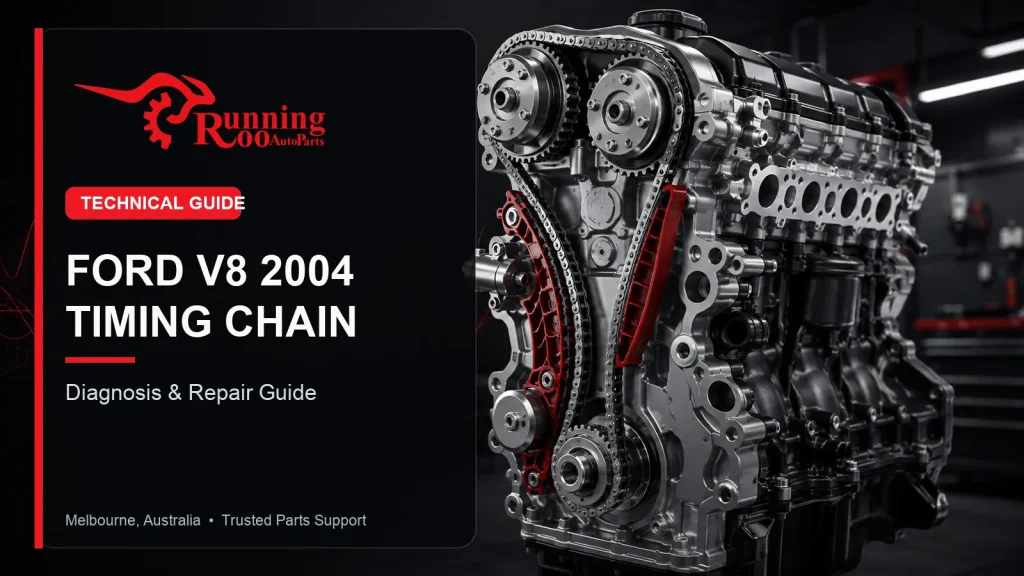
G’day everyone. I’m the Senior Product Manager here at RunningRoo, Australia’s trusted aftermarket automotive parts specialist. If you are reading this, chances are you own, service, or are looking to buy an imported 2004 Ford F-150, or a vehicle equipped with Ford’s Modular V8 engine family.
The 2004 model year was a massive turning point for Ford globally. It marked the introduction of the 11th generation F-150, a truck that brought unprecedented comfort, towing capacity, and technological advancement to the market. However, underneath the bonnet, Ford introduced significant changes to the 5.4L Triton V8—specifically the 3-Valve (3V) architecture with Variable Cam Timing (VCT). While this looked brilliant on paper, providing better torque and fuel economy, it inadvertently created one of the most infamous mechanical headaches in modern automotive history: the dreaded timing chain “death rattle.”
In this comprehensive engineering and product guide, I am going to walk you through exactly why these systems fail, what the official technical data says, and how our premium range of parts—including the 2004 5.4 triton timing chain kit, the 2004 f150 5.4 l timing chain kit, the 2004 ford 5.4 timing chain kit, and the 2004 ford f150 4.6 timing chain kit—are engineered to permanently resolve these factory defects.
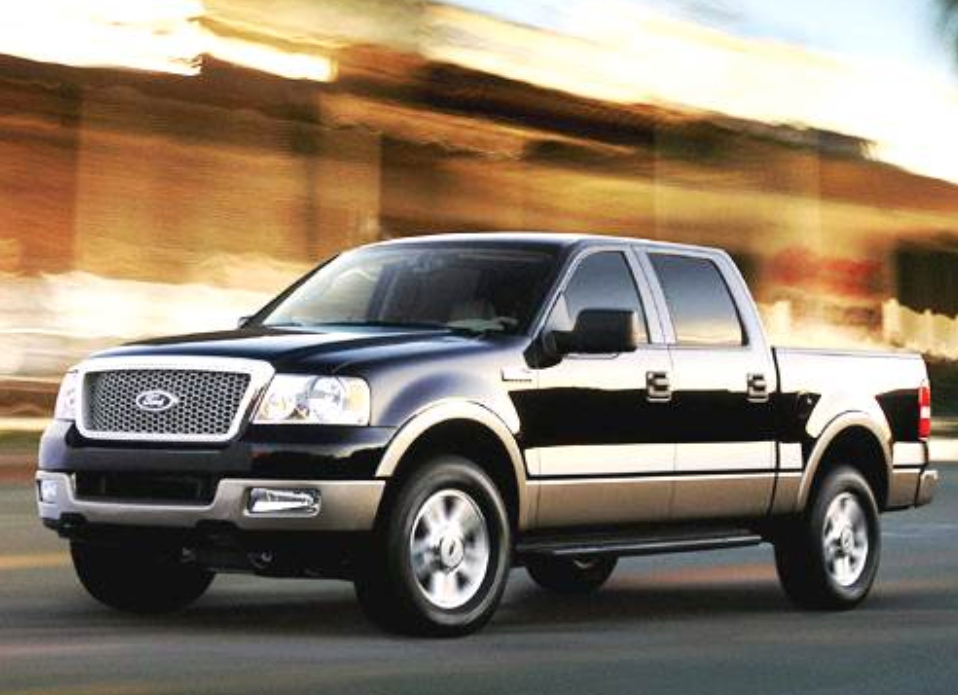
1. The Engineering Anatomy of the 2004 Modular V8 Engines
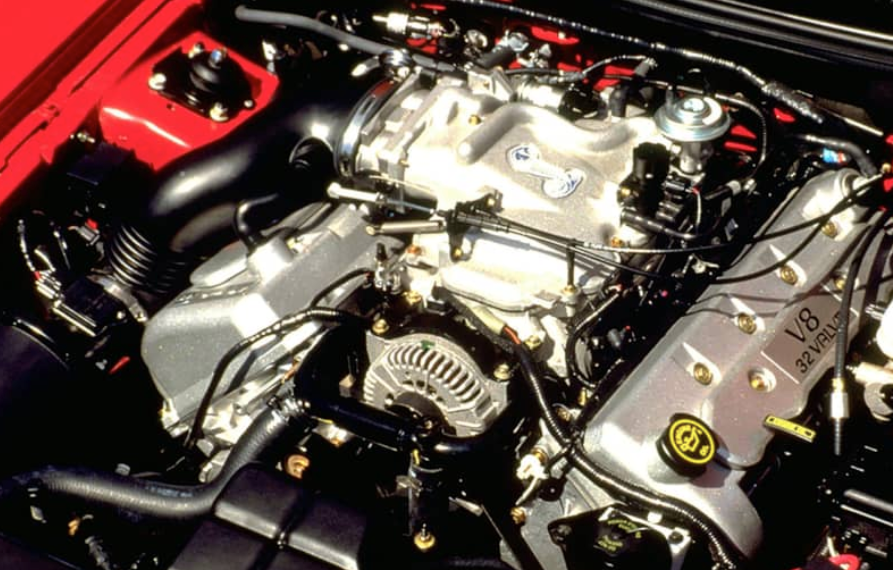
Before we talk about the solution, we need to thoroughly diagnose the problem. The Ford Modular V8 family in 2004 essentially offered two primary V8 options for the F-150 and associated platforms: the 4.6L 2-Valve V8 and the highly publicised 5.4L 3-Valve Triton V8.
The 5.4L Triton 3-Valve (VCT)
Introduced for the 2004 model year F-150, the 3-Valve 5.4L Triton was a technological marvel of its time. By adding a third valve per cylinder (two intake, one exhaust) and implementing a sophisticated Variable Cam Timing (VCT) system, Ford engineers were able to broaden the torque curve significantly. The VCT system relies on hydraulic cam phasers attached to the end of the camshafts. These phasers use engine oil pressure to advance or retard the camshaft timing on the fly, optimising performance whether you are idling in Melbourne traffic or towing a heavy caravan up the Great Dividing Range.
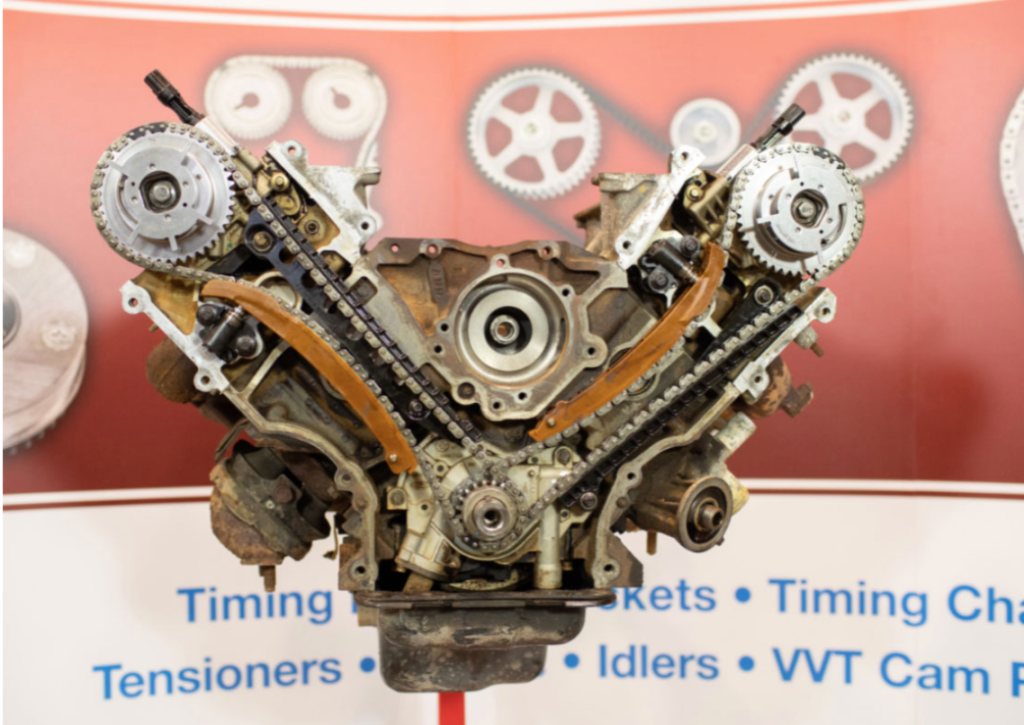
However, the Achilles’ heel of this entire system is its absolute reliance on immense and consistent oil pressure. The timing system relies on a long, hydraulically tensioned chain on each cylinder bank to keep the crankshaft and camshafts perfectly synced.
The 4.6L 2-Valve
Conversely, the 4.6L V8 found in many 2004 models remained a 2-Valve design without the complex VCT phasers. While significantly more reliable regarding top-end ticking, it still utilises a complex timing chain system with hydraulic tensioners and plastic chain guides that are prone to age-related degradation.
2. The Core Problem: Why OEM Timing Systems Fail
As a product manager, I spend my days analysing failure points in original equipment manufacturer (OEM) designs so we can build a better aftermarket alternative. The failure of the timing system in the 2004 5.4L and 4.6L engines is not an isolated manufacturing defect; it is a systemic design flaw that triggers a catastrophic chain reaction.
Phase 1: The Tensioner Seal Failure
The root cause of almost all 5.4L 3-Valve timing failures begins at the primary timing chain tensioners. The OEM tensioners installed by Ford in 2004 are made of plastic and utilise a thin, rubber O-ring style gasket to seal them against the engine block.
Over time, due to heat cycling and standard engine vibration, this thin seal blows out. According to official automotive engineering consensus and detailed in numerous Ford Technical Service Bulletins (such as TSB 14-0114, which addresses engine ticking and rattling), this blown seal causes a massive internal oil pressure leak.
Phase 2: Chain Slap and Guide Breakage
Because the tensioner relies on oil pressure to push the tensioner arm against the timing chain, the loss of pressure causes the tensioner to go slack. When the engine is running, especially upon cold start-up, the loose timing chain begins to whip around violently inside the front engine cover. This is the “death rattle” you hear.
This whipping chain strikes the plastic timing chain guides. Eventually, the brittle plastic guides shatter. The broken plastic pieces then fall straight down into the engine’s oil pan.
Phase 3: Oil Starvation and Phaser Lockout
Once the plastic guide fragments fall into the oil pan, they get sucked up into the oil pump pickup tube screen, clogging it. Now, the engine is starving for oil.
Remember those VCT cam phasers we discussed? They require a minimum of roughly 25-30 psi of hot idle oil pressure to function. With a blown tensioner seal and a clogged oil pickup, oil pressure drops drastically. The cam phasers are starved of oil, causing them to internally unlock and rattle violently against their limiter pins. At this point, the engine will run extremely rough, trigger Check Engine Lights (CEL) for timing over-retarded (codes P0011, P0012, P0021, P0022), and potentially suffer catastrophic piston-to-valve contact if the chain jumps a tooth.
3. RunningRoo’s Solution: Engineered to Outlast the Vehicle
When we set out to develop the ultimate 2004 ford 5.4 timing chain kit and the corresponding 2004 ford f150 4.6 timing chain kit, we refused to simply replicate the factory components. Replicating the factory design just replicates the factory failure.
Here is how RunningRoo has completely re-engineered the timing system for the Australian and global markets:
Upgraded Cast Iron Ratcheting Tensioners
We completely threw out the plastic OEM tensioner design. Our kits utilise upgraded cast-iron tensioners based on the older, bulletproof 2-Valve designs. Crucially, these tensioners do not rely on a fragile rubber O-ring; they mate cleanly to the block. Furthermore, they feature a mechanical ratcheting mechanism. Even if oil pressure drops to zero when the engine is shut off, the mechanical ratchet holds the chain tight. This completely eliminates the cold-start rattle that plagues the 2004 models.
High-Tensile Steel Chains
A stretching chain alters valve timing and reduces engine efficiency. Our chains are forged from high-tensile, heat-treated alloy steel. They undergo rigorous stretch-testing at our manufacturing facilities to ensure they exceed OEM tensile strength specifications by over 25%.
Re-engineered Chain Guides
We haven’t been able to completely eliminate plastic—the chain must run on a friction-reducing surface—but we have vastly improved the polymer composite. RunningRoo guides are constructed from a heavy-duty, impact-resistant nylon composite infused with friction-reducing agents. The backing plates are thickened aluminium to prevent the snapping that occurs with the factory units.
Precision Machined Cam Phasers (For 5.4L 3V Kits)
For our 2004 5.4 triton timing chain kit, the cam phasers are the most critical, delicate components. We precision-machine our phaser rotors from billet steel, rather than the weaker powdered metal used in some factory applications. The internal return springs are calibrated to tighter tolerances to ensure immediate response to VCT solenoid commands, restoring factory torque and fuel economy.
4. Comparing the 4.6L and 5.4L Requirements
It is critical to purchase the correct kit for your specific engine, as the 4.6L and 5.4L engines, despite looking similar, have distinct architectural differences in 2004. The 5.4L has a taller deck height, meaning its timing chains are physically longer (more links) than the 4.6L chains. Additionally, the 4.6L in 2004 generally did not utilise the 3V VCT system, meaning cam phasers are not required in that specific kit.
Here is a technical breakdown of what is included and the engineering differences between our premium offerings.
| Component | 2004 Ford F150 4.6 Timing Chain Kit | 2004 F150 5.4 L Timing Chain Kit (3-Valve) | RunningRoo Engineering Upgrade |
| Timing Chains | 2x Short length, High-Tensile | 2x Long length, High-Tensile | Pre-stretched alloy steel to prevent timing drift. |
| Tensioners | Cast Iron, Ratcheting | Cast Iron, Ratcheting | Replaces OEM plastic; mechanical ratchet prevents cold-start chain whip. |
| Chain Guides | 4x Impact-Resistant Nylon | 4x Impact-Resistant Nylon | Aluminium-backed, advanced polymer prevents shattering. |
| Cam Phasers | Not Applicable (Standard Sprockets) | 2x Billet Steel Internal Phasers | Tighter internal tolerances; prevents phaser lockout and ticking. |
| Crank Sprocket | Double-row steel | Double-row steel | Case-hardened for maximum longevity. |
| Phaser Bolts | OEM Spec (Torque-to-yield) | OEM Spec (Torque-to-yield) | Must be replaced every time they are removed; included in the kit. |
5. Professional Installation Protocol: Doing it Right the First Time
As a product manager, I cannot stress this enough: buying the best 2004 f150 5.4 l timing chain kit on the market is only 50% of the battle. The other 50% is the installation procedure. If you are handing this job over to your local mechanic, ensure they are strictly following OEM service manual procedures, supplemented by these critical aftermarket best practices.
Step 1: You Must Drop the Oil Pan
This is non-negotiable. If you are replacing the timing chain because it rattled or failed, I guarantee there are broken pieces of plastic chain guide sitting in the oil pan. If a mechanic installs a brand new 2004 5.4 triton timing chain kit but leaves the oil pan on, the new components will fail within 5,000 kilometres. The old plastic will get sucked into the oil pickup tube, starve the new cam phasers of oil, and destroy the engine. The oil pan must be removed, thoroughly cleaned, and the pickup tube screen must be cleared of all debris.
Step 2: Upgrade the Oil Pump
Ford OEM oil pumps on the 2004 3-Valve engines suffer from a backing plate that flexes under high RPM, leading to internal pressure bleeds. While you have the front of the engine completely apart, it is heavily recommended by industry experts to install a high-volume aftermarket oil pump (such as a Melling M360 or M340HV). A high-volume pump provides the extra pressure required to keep the VCT system and cam phasers happy, especially as the engine bearings wear over time and naturally lose pressure.
Step 3: Timing Marks and Torque Specs
The modular V8 is an interference engine. If the timing marks are off by even a single tooth, the pistons will smash into the valves, necessitating a complete engine rebuild.
- Ensure the crankshaft keyway is positioned perfectly at the 11 o’clock position.
- Ensure the single coloured link on the chain aligns with the crankshaft sprocket timing mark (typically at 6 o’clock).
- Ensure the two coloured links straddle the timing mark on the cam phaser.
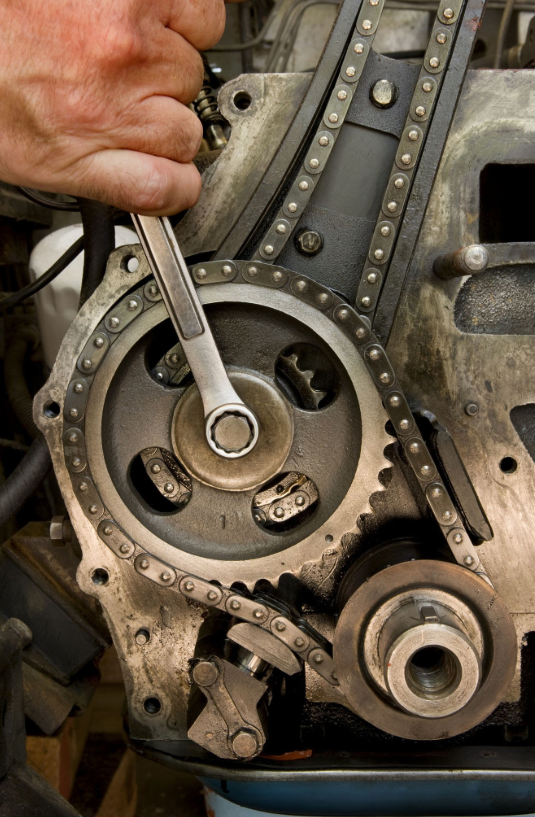
- Crucial: The cam phaser bolts are Torque-To-Yield (TTY). They can only be used once. They must be torqued to 30 lb-ft, and then turned an additional 90 degrees. Never reuse the old bolts.
6. The Great Oil Debate: 5W-20 vs 5W-30
When you install a new 2004 ford 5.4 timing chain kit, what oil should you use? In 2004, Ford explicitly recommended 5W-20 synthetic blend oil for these engines. At the time, this was primarily driven by CAFE (Corporate Average Fuel Economy) regulations in the United States to squeeze every last drop of fuel efficiency out of the fleet.
However, official backing from thousands of engine builders, ASE-certified master mechanics, and longevity studies indicates that 5W-20 is simply too thin to maintain adequate pressure for the cam phasers in a high-mileage 5.4L 3V engine, especially in hotter Australian climates.
As a product manager advocating for engine longevity over a negligible fraction of fuel economy, RunningRoo strongly advises stepping up to a high-quality 5W-30 full synthetic oil once our kit is installed. The slightly thicker viscosity at operating temperature provides a more robust hydraulic cushion inside the cam phasers and reduces the likelihood of hot idle pressure drops. Always pair this with a premium silicone-valve oil filter to prevent oil drain-back overnight.
7. Warranty and Quality Assurance at RunningRoo
When you are investing heavily in labour (often taking a professional mechanic 10-14 hours to complete this job), you need absolute confidence in the parts.
Every single 2004 ford f150 4.6 timing chain kit and 5.4L kit we dispatch from our warehouse undergoes a rigorous multi-point quality control programme.
- Metallurgical Testing: Our chains and sprockets are randomly batch-tested for Rockwell hardness.
- Hydraulic Testing: Phasers are bench-tested with hot pressurised oil to ensure the internal locking pins actuate and release exactly at the OEM specified pressures.
- Dimensional Verification: Laser scanning ensures guide mounting holes align perfectly with the Ford engine block dowels.
We back our comprehensive timing kits with an industry-leading warranty because we know that when installed correctly alongside a clean oil pan and upgraded oil pump, our system permanently cures the 3-Valve disease.
8. Frequently Asked Questions (FAQ)
To wrap up this guide, I want to address the most common queries our customer service team fields regarding these 2004 models.
Q: Can I use the 2004 5.4 triton timing chain kit on a 2003 model?
A: Generally, no. 2003 F-150s (the older body style) primarily used the 2-Valve 5.4L engine, which does not have cam phasers. If you have an early-build 2004 Heritage edition (which is mechanically a 2003), you need a 2-Valve kit. Always verify whether your engine is a 2-Valve or 3-Valve before ordering. Our team at RunningRoo can confirm this using your Vehicle Identification Number (VIN).
Q: Why does my engine only rattle for 2 seconds on cold start?
A: This is the textbook symptom of a blown plastic tensioner seal. When the engine sits overnight, the oil drains out of the tensioner because the seal is broken. When you start the car, it takes the oil pump 2-3 seconds to push oil up to the top of the engine to pressurise the tensioner. During those few seconds, the chain is completely loose and whipping against the engine cover. Our cast-iron ratcheting tensioners permanently fix this.
Q: If I install the 2004 f150 5.4 l timing chain kit, do I need to replace the VCT solenoids too?
A: Absolutely. The VCT solenoids direct the oil flow to the cam phasers. In 2004, Ford used an early revision of these solenoids which are prone to clogging and internal electrical failure. We highly recommend purchasing the latest revision OEM Ford VCT solenoids to complement our timing kit. Putting old, dirty solenoids in with brand new phasers is a recipe for premature failure.
Q: Does the 2004 ford f150 4.6 timing chain kit suffer from the same phaser problems?
A: No. The standard 2004 4.6L F-150 engine is a 2-Valve architecture. It does not possess Variable Cam Timing (VCT) or cam phasers. However, it does suffer from the exact same plastic chain guide and tensioner seal degradation. Therefore, it will still develop a death rattle and potentially skip timing, it just won’t throw cam phaser codes.
Q: Do I need special tools to install these kits?
A: Yes. You will absolutely need a Ford Crankshaft Positioning Tool, and for the 3-Valve engines, a Cam Phaser Holding Tool (a wedge tool) to lock the chain in place if you are servicing cams, though a full replacement requires the timing cover to be completely removed. Attempting to hold the phaser with standard grips will damage it and void the warranty.
Conclusion
Owning a 2004 Ford F-150 or similar Modular V8-powered vehicle in Australia means owning a piece of legendary automotive history. They are phenomenal workhorses that can easily surpass 400,000 kilometres—if the timing system is addressed properly.
As a Product Manager, I’ve seen too many owners patch the problem with cheap, plastic-laden replacement parts only to have the engine fail again a year later. By understanding the mechanical truth behind the failures and upgrading to a comprehensively engineered solution like RunningRoo’s 2004 ford 5.4 timing chain kit or the 4.6L equivalent, you are not just repairing your vehicle; you are bulletproofing it for the decades to come.
Drive safe, maintain your oil levels, and if you have any technical questions, the engineering and support team at RunningRoo is always here to help you get back on the road.
At RunningRoo, we supply a full range of high-quality timing chain kits for various vehicle makes and models. Based in Melbourne, we focus on OEM-fit solutions, reliability, and fast local support. Whether you’re doing a repair or upgrade, RunningRoo has the right timing solution ready for you.
Melbourne Local Pickup – 7 Days / 24 Hours
Free local pickup available 24/7 for your convenience.
🛒eBay: https://www.ebay.com.au/str/runningrooautoparts
Our Store: https://www.runningroo.com.au/
Call us: 0425 890 125
I appreciated the practical angle in this piece on The Complete Guide for 2004 Models: Resolving Ford’s V8 Timing Chain Issues – RunningRoo AutoParts. The pace of AI tools for images, video, and creative workflows makes these discussions feel increasingly relevant, especially when teams need to think carefully about what is real, generated, or edited. Thanks for sharing it.
Works well good price
Cheers mate! 😊 Great to hear it works well and you’re happy with the price. Thanks heaps for your support! — RunningRoo Auto Parts 🇦🇺
Honestly, it’s really good
Cheers mate! 😊 You’re very welcome! Great to hear you’re happy with the service. Thanks heaps for your support! — RunningRoo Auto Parts 🇦🇺