
By RunningRoo Auto Parts — written from the desk of our Product Manager
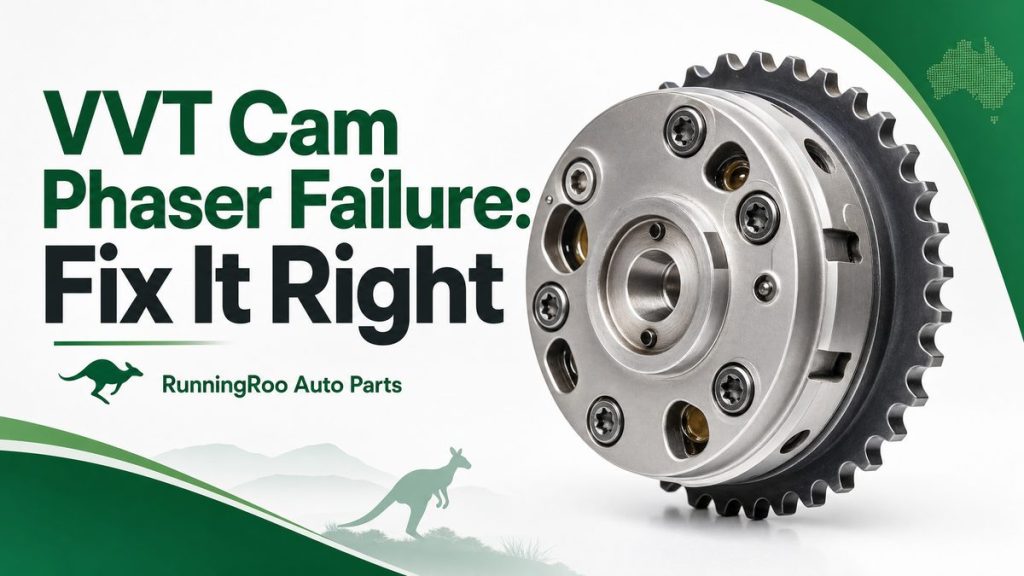
Variable valve timing has transformed the modern engine, improving power, fuel economy and emissions by continuously adjusting when the valves open and close. But the mechanism that makes it all work — the VVT camshaft gear, also called a cam phaser or camshaft adjuster — is a precision, oil-pressure-actuated component that can and does wear out. When it fails, the result is often a disturbing rattle on start-up, rough running and a check-engine light. This guide explains what the VVT gear does, how to recognise a failing one, and how to repair it without paying for a parts cannon of unnecessary replacements.
RunningRoo Auto Parts – Based in Melbourne, Australia 🇦🇺
Free 24/7 Pickup Available (Contact 0425890125)
Any questions? Message or Call us anytime! We’re here to help.
Why Choose RunningRoo?
Aussie Owned & Operated | Fast Shipping | Friendly Support
What a VVT camshaft gear actually does
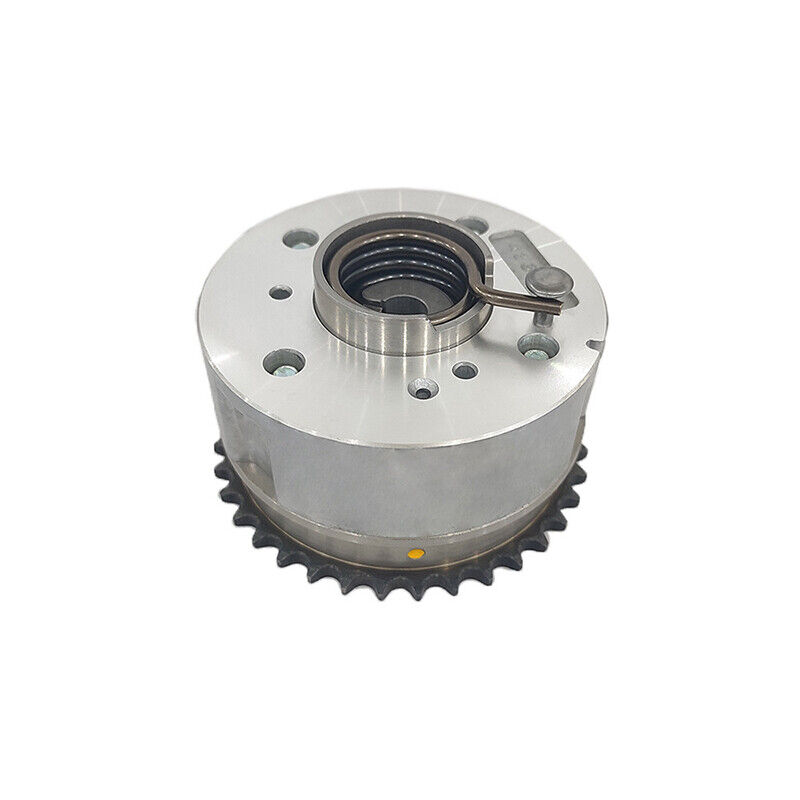
The VVT gear sits on the end of the camshaft and is driven by the timing chain or belt. Inside, a hydraulically controlled mechanism lets the engine computer rotate the camshaft slightly relative to the sprocket, advancing or retarding the valve timing on the fly. Engine oil pressure does the physical work, channelled through a solenoid or oil-control valve that the ECU commands.
This is why so many “VVT gear” problems actually begin somewhere else: the gear needs a clean, pressurised supply of oil to work. Low oil level, old or sludged oil, a blocked oil passage or a failed control solenoid can all produce symptoms that look exactly like a faulty gear. A correct diagnosis therefore looks at the whole oil-control system, not just the gear itself.
The symptoms of a failing VVT gear
The most recognisable symptom is a short rattle or knock from the top of the engine on a cold start. Many VVT gears rely on a locking pin to hold the camshaft in a fixed position until oil pressure builds; when that pin or its bore wears, the gear rattles for a second or two each morning. The same noise can come from a worn timing chain tensioner, so the two are often confused.
Other symptoms include a rough or hunting idle, hesitation or reduced power, a drop in fuel economy, and fault codes such as P0011 or P0014 (camshaft position timing over-advanced or over-retarded) or P0340/P0341 (camshaft position sensor circuit). In severe cases the engine may run in a limp mode or fail an emissions test. Any of these warrants prompt investigation, because a VVT fault left unchecked can put excessive strain on the chain and, eventually, the valves and pistons.
The most common causes, in order
Our experience, and the published failure patterns, point to a short list of causes. First is poor oil condition or level, because the gear is oil-actuated and dirt or starvation is the fastest way to damage it. Second is a failed or sticking oil-control solenoid, which can starve the gear of pressure even when the gear itself is fine. Third is a worn locking pin or internal gear wear, which is the true “phaser failure”. Fourth is a stretched timing chain, which alters the measured correlation between crank and cam and can be misdiagnosed as a gear problem.
The table below summarises the likely culprit for each symptom cluster, which helps you avoid replacing a perfectly good VVT gear when the real fault is a $50 solenoid or an overdue oil change.
| Symptom cluster | Most likely cause | First check |
|---|---|---|
| Cold-start rattle for 1–2 seconds | VVT gear lock-pin wear, or timing chain tensioner | Oil level/quality; isolate noise source |
| Rough idle + P0011/P0014 codes | VVT system fault or stretched chain | Scan codes; test oil-control solenoid; measure chain stretch |
| Poor economy / reduced power, no noise | Solenoid or oil-pressure issue | Oil pressure test; solenoid function |
| Rattle plus cam/crank correlation codes | Stretched chain or worn gear | Measure timing correlation; inspect gear |
How a workshop diagnoses it properly
Diagnosis starts with a full scan of the engine management system, reading both current and stored fault codes. The technician should then check the oil level and condition, test the oil-control solenoid, and measure oil pressure against the manufacturer’s specification. On many engines the chain stretch can be measured electronically through the correlation between the crankshaft and camshaft sensors. Only after ruling out oil supply, the solenoid and the chain should the VVT gear itself be condemned.
This sequence matters because a VVT gear is not a cheap part and the labour to replace it is not trivial. Replacing the gear on a guess, only to have the rattle return because the real problem was a tired chain or a blocked oil passage, is a frustrating and expensive outcome that proper diagnosis prevents.
VVT gear vs timing chain: telling the two apart
Because the VVT gear and the timing chain sit together and produce a similar cold-start rattle, misdiagnosis between the two is common. There is, however, a practical difference in how the fault behaves and what the engine computer reports. A VVT gear fault tends to produce camshaft position or over-advanced/over-retarded codes, and may improve or worsen as the engine warms. A stretched timing chain more often produces camshaft-to-crankshaft correlation codes, and the rattle may not fully disappear even once oil pressure is up.
The safest way to separate them is measurement rather than guesswork. A workshop can measure the correlation between the crank and cam sensors to quantify chain stretch, test the oil-control solenoid, and inspect the VVT gear’s locking pin and internal wear once the cover is off. This disciplined approach prevents the classic mistake of replacing a good VVT gear, only to have the noise return because the chain was the real culprit.
What a VVT gear replacement costs in Australia
The part and labour for a VVT gear depend heavily on the engine and on how much else is replaced at the same time. On an engine where the gear is accessible, a single quality VVT gear might cost in the low hundreds of dollars with a few hours of labour. On an engine where the chain, tensioner and guides are also due, the gear is best replaced as part of a complete timing job, which raises the total into the low thousands.
The lesson is the same as with a timing chain: the part is the cheap half of the job, and the labour is the expensive half. Replacing the VVT gear with a quality part while the engine is open, and renewing the chain and tensioner at the same time where they show wear, is the most economical way to do the job once and not have to revisit it.
Repair options and what they cost
When the gear is genuinely at fault, the repair is to replace it, ideally along with the timing chain, tensioner and guides if the engine is already open and they show wear. On engines where the VVT gear is sold separately from the chain kit, replacing just the failed gear is acceptable provided the chain and tensioner measure within specification. Always replace the oil-control solenoid at the same time if there is any doubt, and perform a fresh oil and filter change with the correct specification oil.
Parts quality is critical here. A quality VVT gear from a reputable supplier is manufactured to precise tolerances and is far less likely to fail again than a cheap, unbranded unit. Because the labour to access the gear is the expensive part, the gear itself is not the place to save a few dollars.
Preventing VVT gear failure
The single best prevention is maintenance that most people overlook: regular oil changes with the correct specification oil. VVT gears are lubricated and actuated by engine oil, and sludged or low oil is their number one enemy. Use the oil grade the manufacturer specifies, change it on schedule, and address any oil-pressure warning immediately. If your engine has a known chain or tensioner weakness, budgeting for the chain and VVT gear together at the first sign of a cold-start rattle is the cheapest long-term strategy.
At RunningRoo we supply VVT and CVVT camshaft gears and complete timing kits for the popular Toyota, Hyundai, Kia, Nissan, Mitsubishi and VW applications on Australian roads, with clear engine-code fitment so you order the correct side and generation first time.
It is also worth remembering that the VVT system is only as healthy as the oil that feeds it. A car that has run long intervals on the wrong oil may present with VVT codes that disappear after a proper oil and filter service, which is both the cheapest and the most common first step in diagnosis. Before spending on a new gear, a good workshop will confirm the oil is clean, the level is correct and the pressure is within specification, because those three checks resolve a surprising number of “VVT faults” for the price of an oil change.
For Australian owners, the same logic applies to parts choice. A VVT gear is a precision component that runs at engine speed under hydraulic load, and the difference between a properly machined unit and a cheap copy shows up in noise, timing stability and longevity. Given the labour involved in reaching it, the gear is the wrong place to save money, and a quality replacement with a clear engine-code fitment is almost always the wiser spend.
Frequently asked questions
What is the difference between a VVT gear and a cam phaser?
They are two names for the same thing — the adjustable sprocket on the camshaft that changes valve timing under oil pressure.
Can I drive with a failing VVT gear?
For a short distance to a workshop, possibly, but continued driving risks damage to the chain and engine. A rattling VVT gear should be diagnosed promptly.
Is a cold-start rattle always the VVT gear?
No. It can also be a timing chain tensioner, low oil pressure or a worn chain. Diagnosis should confirm the source before parts are replaced.
Do I need to replace the timing chain with the VVT gear?
Not always, but it is often wise to replace the chain, tensioner and guides at the same time if they show wear, since the labour is already spent.
What oil should I use to protect my VVT system?
Use the exact oil specification in your owner’s manual and change it on schedule. Correct, clean oil is the best protection for a VVT gear.
How much does a VVT gear replacement cost in Australia?
It varies with the engine, but expect a few hundred dollars for a quality gear plus labour that can range from a couple of hours to a full timing-chain job. Always get a written quote.
How do I tell a VVT gear fault from a stretched timing chain?
The fault codes and the behaviour as the engine warms differ, but the reliable method is measurement: crank-to-cam correlation for chain stretch, plus solenoid testing and a visual inspection of the gear.
Can low oil cause VVT gear symptoms?
Yes. The gear is oil-actuated, so low level, wrong specification or sludged oil can mimic a failing gear. Always check the oil before condemning the gear.
Should I replace both VVT gears at once?
On engines with separate intake and exhaust gears, it is often sensible to replace both while the timing system is open, especially if they share the same age and mileage. A workshop can advise based on inspection.
Does a VVT fault affect fuel economy?
Yes. Incorrect valve timing caused by a failing VVT gear can reduce power, worsen economy and increase emissions, which is why the check-engine light often accompanies the noise.
Shop the parts mentioned in this guide
- VVT Camshaft Gears (Intake & Exhaust) for Toyota Corolla 2007–2012 1.8L 2ZR-FE
- CVVT Timing Camshaft Gear for Hyundai Veloster / Tucson / Elantra 24370-2B700
- Intake Camshaft VVT Actuator / Phaser Gear for Toyota Camry 2AR-FE / 1AR-FE — eBay
- Intake CVVT Camshaft Gear / Phaser for Kia Forte 2014–2019 243502E201 — eBay
Watch on RunningRooAuto YouTube
- RunningRoo Auto Parts – trusted Melbourne parts support
- RunningRoo Auto Parts – product and fitment channel
RunningRoo Auto Parts – Based in Melbourne, Australia 🇦🇺
Free 24/7 Pickup Available (Contact 0425890125)
Any questions? Message or Call us anytime! We’re here to help.
Why Choose RunningRoo?
Aussie Owned & Operated | Fast Shipping | Friendly Support
Sources and further reading
- Variable valve timing — Wikipedia (cam phaser function)
- BorgWarner — variable cam timing systems
- Bosch — automotive engine management
- RACV — car maintenance and repair guidance
RunningRoo Auto Parts – Based in Melbourne, Australia 🇦🇺
Free 24/7 Pickup Available (Contact 0425890125)
Any questions? Message or Call us anytime! We’re here to help.
Why Choose RunningRoo?
Aussie Owned & Operated | Fast Shipping | Friendly Support