
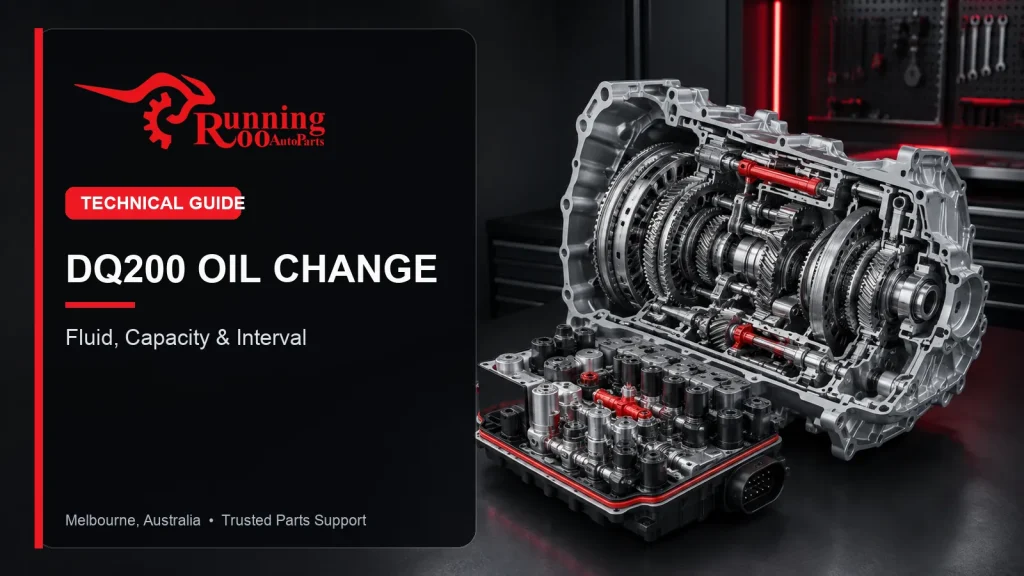
G’day everyone. I’m the Senior Product Manager here at RunningRoo Auto Parts, Australia’s trusted aftermarket automotive parts specialist. If you drive a Volkswagen, Audi, Skoda or Seat with the seven-speed DQ200 DSG, one of the most common questions we get is whether the transmission and its mechatronic unit need an oil change — and if so, when, with what fluid, and at what cost.
In this guide I’ll explain exactly how the DQ200’s fluid system works, what Volkswagen’s official position is on servicing, what Australian specialists actually recommend, and the signs that your gearbox is overdue for attention. All prices are in Australian dollars and are indicative.
If you’d rather talk to a real person about your own car before reading further, our Melbourne-based team is always available:
RunningRoo Auto Parts – Based in Melbourne, Australia 🇦🇺
Free 24/7 Pickup Available (by appointment)
Any questions? Call us anytime: 0425 890 125
Why Choose RunningRoo?
Aussie Owned & Operated | Fast Shipping | Friendly Support
How the DQ200 fluid system works
The DQ200 is a seven-speed dry-clutch DSG, and its fluid system is different from the wet-clutch DSG gearboxes such as the DQ250. The DQ200 has two separate oil circuits that are not shared:
- The mechanical gearbox oil lubricates the gears, shafts and bearings inside the transmission casing.
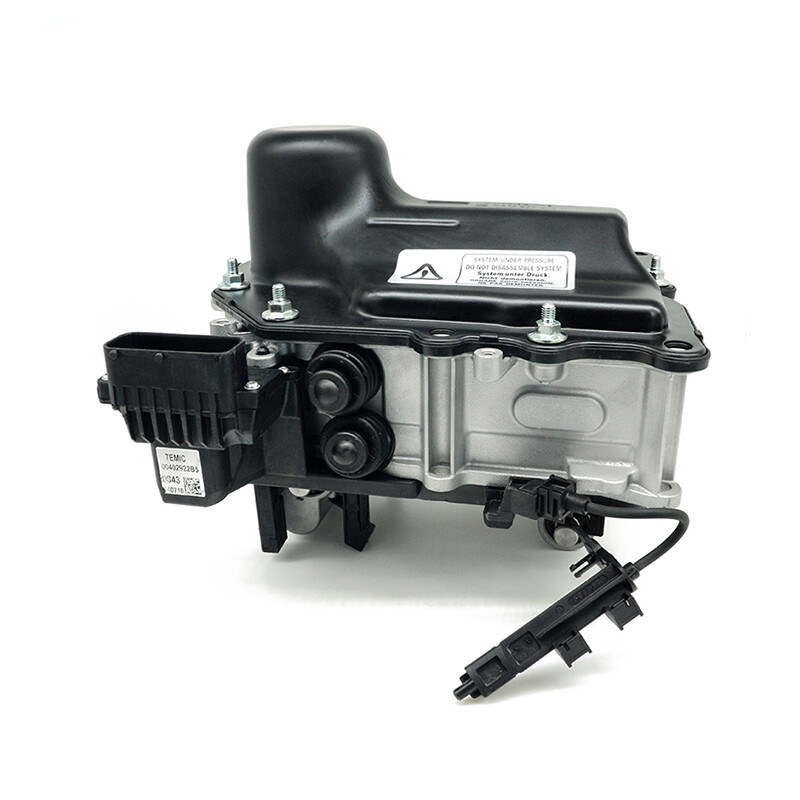
- The mechatronic hydraulic fluid is a separate circuit that operates the gear selector forks and clutch actuators through the mechatronic unit.
Because the clutches are “dry”, the fluid volume in a DQ200 is small compared with a wet-clutch DSG. That is also why the correct fluid specification matters so much: the hydraulic side of the mechatronic is sensitive to the wrong oil, contamination or low level, and a mistake here can trigger shifting faults that look like a failing transmission.
What Volkswagen’s official position is
Volkswagen describes the DQ200 as a sealed-for-life gearbox, which means the manufacturer does not publish a scheduled transmission fluid change interval in the same way it does for other DSG units. There is no official “every 60,000 km” oil change for the DQ200.
That does not mean the fluid can never be checked or changed. In practice, most independent transmission specialists and experienced Australian workshops recommend inspecting the fluid condition and, where appropriate, changing it around every 80,000 to 100,000 km — particularly for cars that spend a lot of time in stop-start city traffic, which is exactly the kind of driving the DQ200 finds hardest.
| Fluid circuit | Typical capacity | Notes |
|---|---|---|
| Mechanical gearbox oil | About 1.7 L | Use only the VW-approved specification for your gearbox code (0AM or 0CW). |
| Mechatronic hydraulic fluid | About 1.0 L | Separate circuit; must not be mixed with the gear oil. |
Important: always confirm the exact fluid part number against your vehicle’s gearbox code and VIN before ordering. The DQ200 was produced as both 0AM and 0CW versions, and the correct specification can differ.
Signs your DQ200 fluid or mechatronic needs attention
Fluid problems rarely announce themselves directly. Instead they show up as shifting behaviour that gradually gets worse. The table below lists the symptoms that should prompt a fluid check and diagnostic scan.
| Symptom | Possible fluid-related cause |
|---|---|
| Harsh or delayed engagement | Low or contaminated mechatronic hydraulic fluid. |
| Juddering when moving off | Often clutch-related, but a fluid check should be part of the diagnosis. |
| Gearbox warning light or flashing PRNDS | Can be triggered by pressure faults from low hydraulic fluid. |
| Oil weep around the gearbox casing | Seal or gasket leak; have the level checked before it runs low. |
| Whine or abnormal noise | Low mechanical gearbox oil or bearing wear. |
What a DQ200 oil change involves
A proper DQ200 fluid service is more involved than a simple engine oil change. The vehicle should be level, the fluid should be drained at the correct temperature where specified, and the new fluid must be filled to the exact level using the correct fill and level-check procedure. The mechatronic hydraulic circuit in particular requires care, because the correct procedure and diagnostic equipment are needed to bleed and re-adapt the system.
For this reason, we generally recommend having the fluid changed by a workshop that specialises in DSG gearboxes rather than attempting it at home. The labour is relatively modest, but the risk of getting the level, specification or procedure wrong is high.
| Service item | Indicative cost (AUD) |
|---|---|
| Fluid level check and top-up | $80 – $150 |
| Transmission fluid change (mechanical side) | $250 – $450 |
| Mechatronic hydraulic fluid service | $300 – $550 |
Not sure which DQ200 parts or fluid your exact car needs? Our Aussie team can confirm the right specification against your VIN over the phone:
RunningRoo Auto Parts – Based in Melbourne, Australia 🇦🇺
Free 24/7 Pickup Available (by appointment)
Any questions? Call us anytime: 0425 890 125
Why Choose RunningRoo?
Aussie Owned & Operated | Fast Shipping | Friendly Support
Where to buy DQ200 mechatronic and transmission parts
If a fluid service reveals a deeper mechatronic fault, replacing the unit does not have to mean paying full retail. RunningRoo Auto Parts stocks quality DQ200 mechatronic, TCU and clutch components for a fraction of typical workshop pricing, with Melbourne pickup and Australia-wide delivery.
- DQ200 0AM 7-Speed Transmission Control Module (TCU) for Audi / VW
- 0CW DQ200 7-Speed DSG Mechatronic (Valve Body & TCU) for Audi / VW / Skoda
- 0AM DQ200 DSG7 Transmission Clutch Kit Gen 1 for VW / Audi
You can also browse the full range on our eBay store: RunningRoo Auto Parts on eBay Australia.
Frequently asked questions
Does the DQ200 need a transmission oil change?
Volkswagen does not schedule a DQ200 oil change because the gearbox is considered sealed for life. Many specialists still recommend checking the fluid and, where appropriate, changing it around every 80,000 to 100,000 km to protect the mechatronic.
What fluid does the DQ200 use?
The DQ200 has two separate circuits: a mechanical gearbox oil (about 1.7 L) and a mechatronic hydraulic fluid (about 1.0 L). Always use the VW-approved specification for your gearbox code and confirm the exact part number against your VIN.
How much does a DQ200 oil change cost in Australia?
Indicative costs are roughly $250 to $450 for a mechanical fluid change and $300 to $550 for a mechatronic hydraulic fluid service, depending on the workshop.
Can low fluid cause DQ200 shifting problems?
Yes. Low or contaminated mechatronic hydraulic fluid can cause harsh shifting, delayed engagement, pressure faults and warning lights. A fluid check should always be part of the diagnosis before condemning the mechatronic.
Can I change the DQ200 fluid myself?
It is possible, but the fill level and procedure must be exactly right and the mechatronic may need diagnostic re-adaptation. For most owners, a DSG specialist is the safer and more cost-effective choice.
Which cars use the DQ200 DSG?
The DQ200 seven-speed dry-clutch DSG is used across a range of Volkswagen, Skoda, Seat and Audi models, commonly with the 1.2 TSI, 1.4 TSI and 1.6 TDI engines.
When a fluid change is not enough
A fluid service is a sensible preventative step, but it is not a cure for a component that has already failed. If the mechatronic has a worn accumulator, a failing solenoid or a damaged electronic control board, fresh fluid will not repair it. In these cases the fluid change may briefly improve shift quality before the underlying fault returns.
This is why diagnosis matters. A scan that shows pressure faults, communication faults or specific mechatronic failure codes means the problem is a component, not just the fluid. The most cost-effective path is to identify the actual fault and replace the failing part — often a mechatronic repair or a replacement TCU — rather than paying for repeated fluid changes that only mask the issue.
The same logic applies the other way. If a car has simply never had its fluid inspected and is showing mild shift-quality complaints with no hard fault codes, a proper fluid service is a reasonable first step and may well be all it needs. A competent DSG specialist will be able to tell you which situation you are in.
How often should I check the DQ200 fluid?
Volkswagen does not schedule a DQ200 fluid change, but many specialists recommend inspecting the fluid around every 80,000 to 100,000 km, or sooner if you notice shifting problems, leaks or unusual noise.
What happens if the wrong fluid is used?
Using the wrong specification or mixing the mechanical gear oil with the mechatronic hydraulic fluid can cause harsh shifting, pressure faults and even mechatronic damage. Always confirm the correct fluid against your gearbox code and VIN.
0AM vs 0CW: why your gearbox code matters
The DQ200 has been produced under two main gearbox codes: 0AM and 0CW. The 0AM was the earlier version, while the 0CW is the later, revised version used in many more recent vehicles. While the two are closely related, they are not always interchangeable, and the exact fluid specification, fill procedure and service information can differ between them.
Before ordering fluid, a mechatronic or a clutch kit, always confirm the gearbox code for your specific vehicle. The code is normally stamped on the gearbox casing or can be read from the vehicle data. Getting this right up front avoids the most common and expensive mistake we see: fitting the wrong unit or the wrong fluid and then chasing a “new” fault that was actually created by the mismatch.
How to check DQ200 fluid condition yourself
Checking the DQ200 fluid is not as simple as checking engine oil, because there is no traditional dipstick on many versions. A workshop will usually check the level through the fill or level-check plug with the vehicle level and the fluid at the correct temperature. That said, you can still gather useful information at home.
- Look for leaks. Oil weeping around the gearbox casing, the mechatronic cover or the drive shafts is a sign the level should be checked before it runs low.
- Note the shift quality. Harsh engagement or a delay when selecting Drive or Reverse can indicate a fluid or pressure problem.
- Listen for unusual noise. A whine or rattle from the gearbox area that changes with speed can point to a low mechanical oil level.
- Keep a service history. If the fluid has never been checked and the car has covered 100,000 km or more, a professional inspection is a sensible precaution.
Common fluid service mistakes to avoid
Most DQ200 fluid problems we see are not caused by the fluid wearing out, but by a service being done incorrectly. The most common mistakes are using the wrong specification, overfilling or underfilling, mixing the mechanical oil with the mechatronic hydraulic fluid, and failing to perform the necessary adaptation after the work. Any one of these can produce shifting faults that are then misdiagnosed as a failed mechatronic.
The lesson is simple: if you are going to have the fluid serviced, use a workshop that specialises in DSG gearboxes and can confirm the exact procedure for your gearbox code. The cheapest quote is rarely the best value when it comes to a DQ200 fluid service.
Still have questions about your DQ200 fluid or mechatronic after reading this guide? We’re here to help, any time:
RunningRoo Auto Parts – Based in Melbourne, Australia 🇦🇺
Free 24/7 Pickup Available (by appointment)
Any questions? Call us anytime: 0425 890 125
Why Choose RunningRoo?
Aussie Owned & Operated | Fast Shipping | Friendly Support
Summary
The DQ200’s fluid system is easy to overlook because Volkswagen describes the gearbox as sealed for life, but the fluid still deserves periodic attention, especially in Australian stop-start driving. Remember that the DQ200 has two separate circuits, the correct specification depends on your gearbox code, and harsh shifting or a judder should always be diagnosed with a scan rather than assumed to be a failed mechatronic.
For most owners, the practical approach is a fluid inspection around every 80,000 to 100,000 km, followed by a repair only if a specific fault is confirmed. If a deeper mechatronic problem is found, a quality aftermarket unit is usually far better value than a full retail replacement.
References
Key data in this article is drawn from the following official manufacturer sources:
- Volkswagen Group — DQ200 (0AM / 0CW) service information: sealed-for-life transmission with no scheduled fluid change interval, and separate gear-oil and mechatronic hydraulic-fluid circuits.
- Volkswagen Group — approved transmission fluid specifications for the DQ200 DSG.